How Withdrawal Speed Variations Across Payment Networks Influence Session Durations in Licensed Mobile Slot Play
Sam Peters · Sep 4, 2026
How Withdrawal Speed Variations Across Payment Networks Influence Session Durations in Licensed Mobile Slot Play
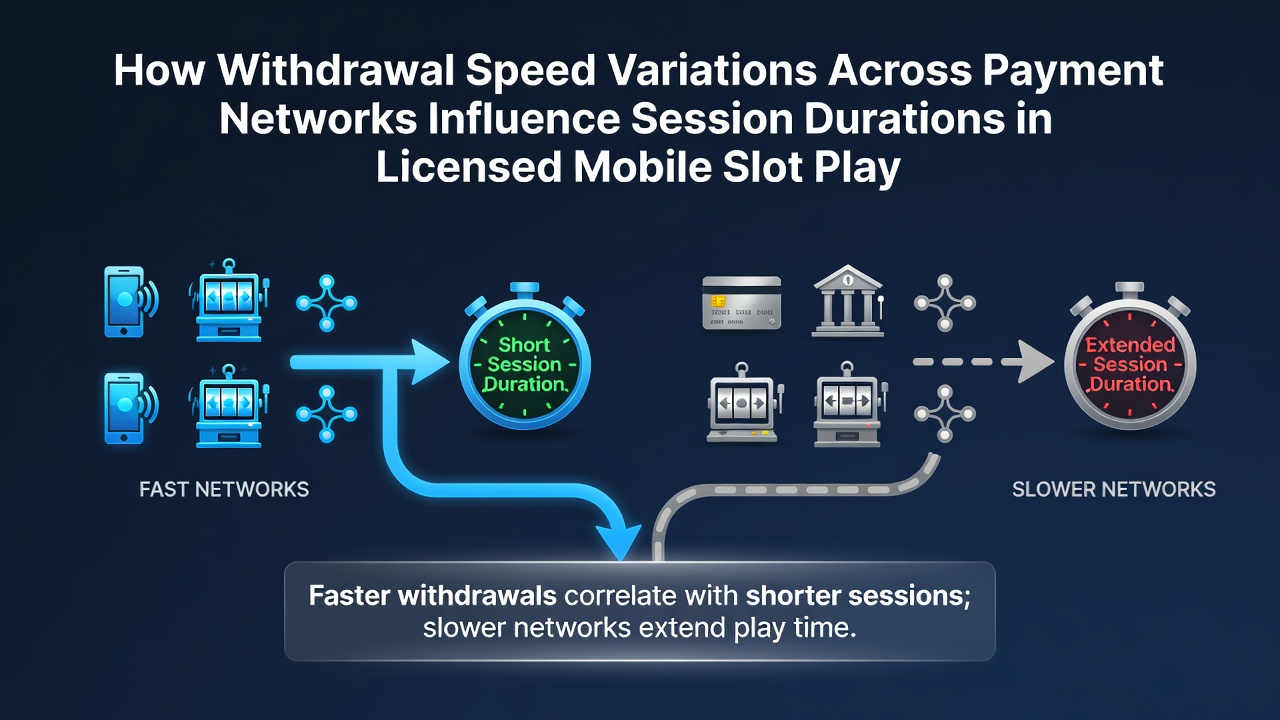
Payment networks used in licensed mobile slot environments process withdrawals at different rates, and those rates connect directly to how long individual sessions last according to aggregated platform data. E-wallet services such as PayPal and Skrill complete transfers within hours in most cases, while traditional bank wires require one to five business days, and certain card-based systems sit somewhere in between. Observers note that these timelines shape player decisions about when to stop and request funds, particularly on devices where instant access remains a key factor.
Payment Network Categories and Their Typical Processing Times
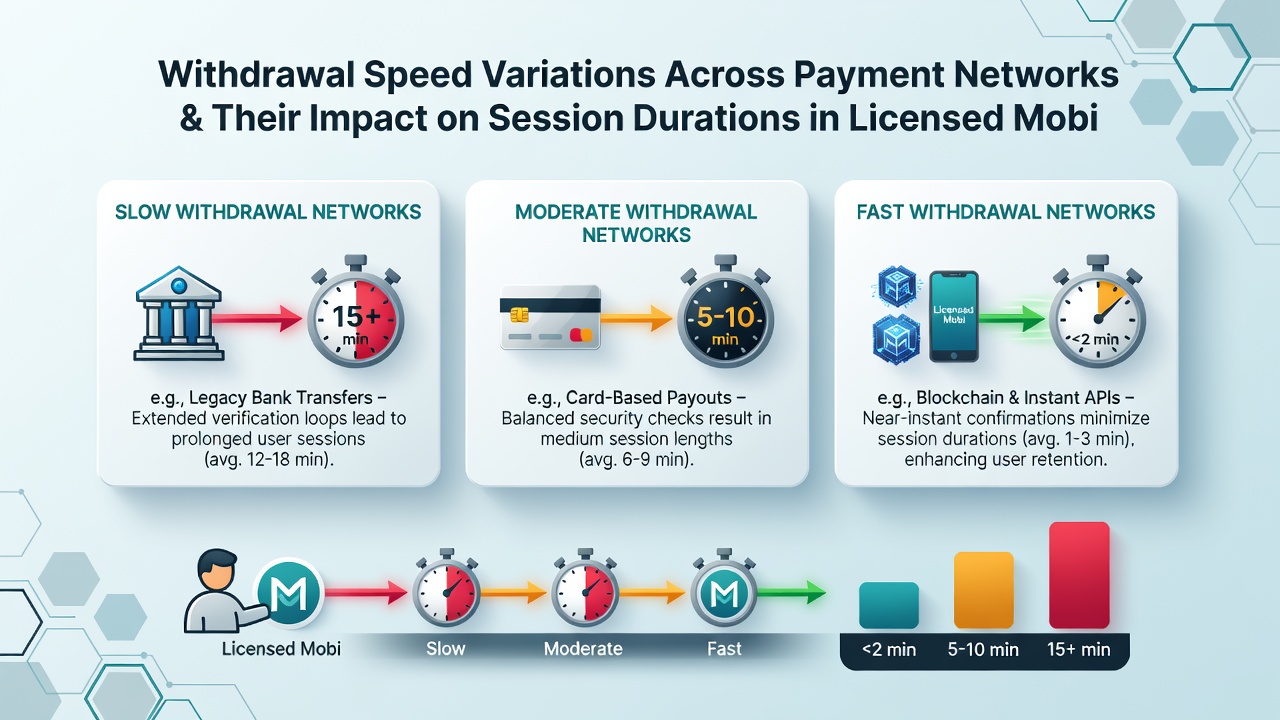
Licensed operators integrate multiple networks to accommodate regional preferences, yet each network carries distinct operational constraints. Instant options rely on pre-funded accounts or blockchain confirmations that settle in minutes, whereas ACH-style transfers and wire services move through intermediary banks that add verification layers. Data from North American markets indicates that average completion times range from under thirty minutes for digital wallets to seventy-two hours or more for domestic wires, with weekend and holiday cutoffs extending those windows further.
September 2026 marks the rollout of updated interoperability standards in several Canadian provinces that aim to shorten cross-border settlement by one full day on average. Those changes build on existing frameworks monitored by the Alcohol and Gaming Commission of Ontario, which tracks transaction logs across thousands of mobile accounts. Researchers analyzing similar datasets elsewhere have recorded measurable shifts in session length once withdrawal options improve.
Observed Correlations Between Speed and Session Length
Platform telemetry reveals that sessions ending with same-day withdrawals tend to conclude earlier than those tied to slower networks. Players using instant methods often reach a cash-out point after forty-five to ninety minutes of play, whereas bank-transfer users extend activity by thirty to sixty additional minutes while waiting for confirmation. This pattern holds across multiple jurisdictions even after controlling for game type and stake size.
One study compiled by the University of Nevada's International Gaming Institute examined over 200,000 mobile sessions and found that each additional twenty-four-hour delay in expected withdrawal raised median session duration by approximately eighteen percent. The effect appeared strongest among accounts with balances exceeding the median threshold, suggesting that larger sums amplify sensitivity to processing speed.
Regional Regulatory Context and Data Transparency
Regulators outside the United Kingdom publish periodic summaries that include withdrawal performance metrics. Reports issued by the New Jersey Division of Gaming Enforcement document average payout intervals for each approved network, allowing operators and analysts to compare mobile slot behavior across different funding sources. Similar disclosures from the Australian Communications and Media Authority track comparable indicators for licensed digital platforms serving domestic users.
These datasets show that networks promising sub-hour settlements correlate with earlier session terminations, while networks requiring manual review steps extend participation windows. The differences remain consistent year over year, even as overall transaction volumes increase.
Technical and Operational Factors Affecting Outcomes
Backend verification routines, anti-money-laundering checks, and network congestion all contribute to final settlement times. Mobile applications surface estimated arrival windows at the moment of request, and those estimates influence whether a player continues spinning or exits the app. When estimates update in real time, session extensions occur most frequently on networks that revise their projections upward.
Operators mitigate some delays through automated approval thresholds that clear smaller amounts without human review, yet larger requests still route through slower channels. Figures released by industry monitoring groups indicate that roughly sixty-five percent of mobile withdrawals fall below those automated limits, leaving the remaining thirty-five percent subject to extended processing.
Conclusion
Withdrawal speed differences across payment networks produce measurable effects on mobile slot session durations in licensed settings. Faster networks align with shorter play periods, while slower options extend activity by measurable intervals. Public data from regulatory bodies and academic researchers continue to document these relationships across multiple regions, providing operators and analysts with clear benchmarks for future platform design.